
Working with diaspora families on bullying
Bullying in diaspora communities isn’t just ‘bullying plus racism’ — it’s a distinct experience shaped by migration, culture, faith, intergenerational dynamics, and the gap between home and school cultures. This article is for community leaders, supplementary school teachers, faith leaders, and youth workers who support diaspora families navigating bullying.
Why mainstream services often miss us
Mainstream anti-bullying services are designed around a default family: English-speaking, nuclear, familiar with UK systems, comfortable approaching schools. Many diaspora families don’t fit that default. The result is that bullying in our communities is under-reported, under-recognised, and under-addressed. Common barriers include:
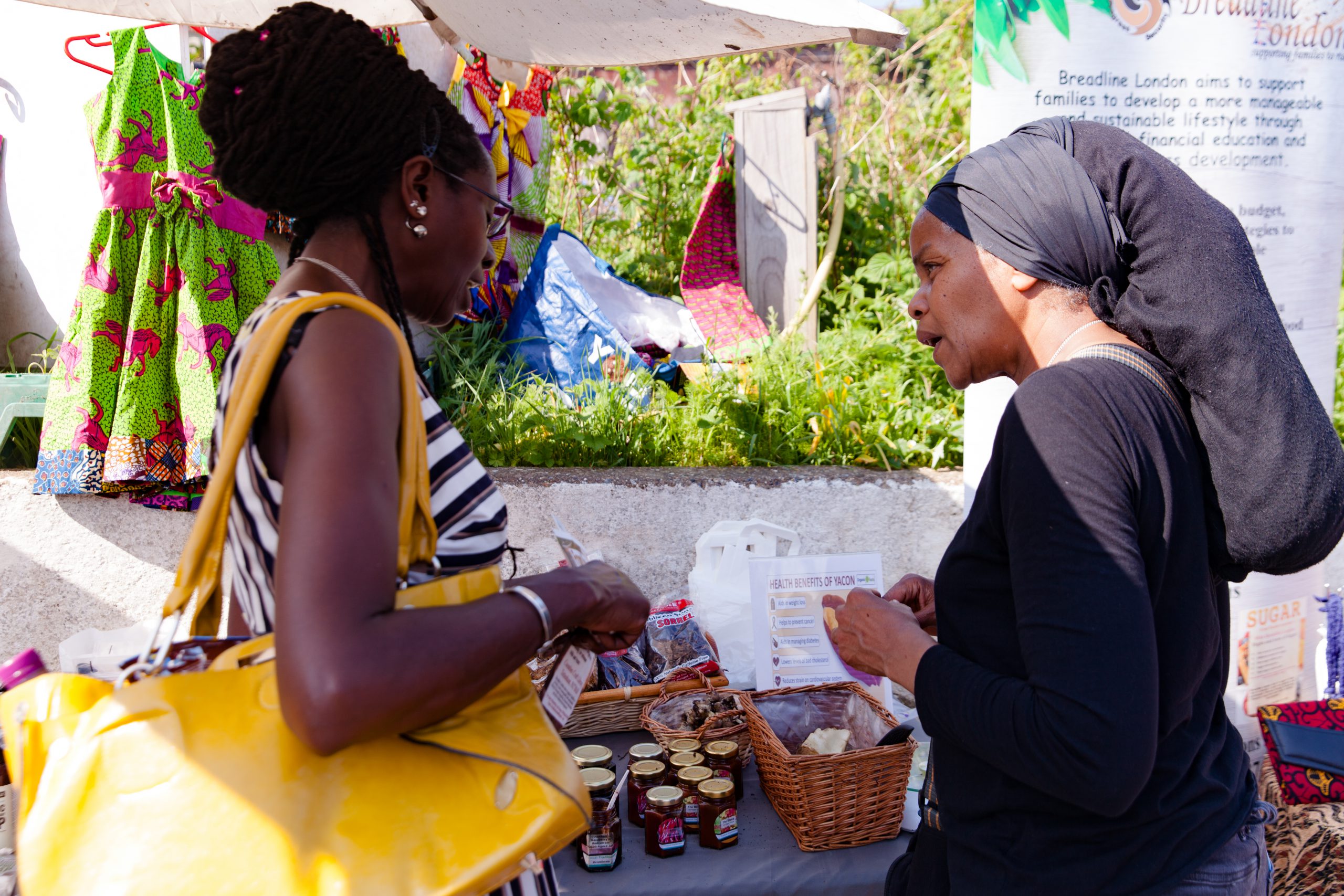
- Language — parents may not have the English to write the formal email the school expects, or to navigate the complaints process
- Cultural conceptions of authority — in many diaspora cultures, teachers are authority figures you don’t challenge. Parents may assume the school knows best, even when the school is failing their child.
- Different conceptions of bullying — what UK schools call ‘verbal bullying’ may be normalised in some cultures as ‘toughening up’. Parents may not recognise exclusion or microaggressions as bullying.
- Fear of consequences — parents with insecure immigration status may avoid engaging with institutions. Parents who’ve experienced racism from schools may distrust them.
- Identity-based bullying goes unrecognised — colourism, hair-based bullying, and tribalism within communities are often invisible to white teachers and to anti-bullying frameworks designed around white-on-Black racism
- Shame and silence — in many cultures, being bullied carries shame. Parents may not tell extended family, and may pressure the child to ‘handle it’ rather than seek help.
Building trust with diaspora families
If you’re a community leader supporting a family through bullying, your first job is to build trust. Diaspora families have often been failed by institutions, and they may be slow to open up. Effective trust-building looks like:
- Go to them — don’t expect families to come to your office. Visit the supplementary school, the church after service, the mosque after prayer. Be present in their spaces.
- Speak their language (literally) — if you don’t share a heritage language, bring someone who does. Bilingual community advocates are worth their weight in gold.
- Listen without judging — parents may express frustration in ways that feel like they’re blaming the child. Don’t correct them in the moment. Listen for the fear underneath.
- Acknowledge what they’ve already tried — most parents have tried multiple things before they reach you. Ask: ‘What have you tried so far? What happened?’
- Be honest about what you can and can’t do — don’t promise to fix it. Promise to walk with them through it.
- Respect their cultural context — if a parent says ‘In our culture, we handle this differently,’ engage with that rather than dismissing it. Find the overlap between their approach and what works here.
The specific issues diaspora families face
Colourism within communities
Colourism — discrimination based on skin shade — is a painful reality in many African, Caribbean, and South Asian communities. A child can be bullied by peers from their own community for being ‘too dark’ or ‘too light’. This is hard for schools to recognise because it doesn’t fit the white-on-Black frame they’re used to. Parents may also have internalised colourist beliefs, making it hard for them to support their child. Name it. Talk about it openly. Help families understand the colonial roots of colourism and that it’s not the child’s fault.
Hair-based bullying and school policies
Black children in UK schools are still disciplined for natural hair, braids, and locs — despite the 2022 EHRC guidance making clear that such policies are likely unlawful. Diaspora parents may not know their rights, or may feel they have to choose between their child’s education and their child’s hair. Equip parents with the legal framework, and offer to support them in challenging school policies.
Tribalism and national-origin bullying
Within African and Caribbean communities, children can be targeted for being Nigerian vs Ghanaian, Igbo vs Yoruba, Jamaican vs Bajan, Somali vs Ethiopian. These dynamics are invisible to most UK schools but deeply painful for the children involved. Validate these experiences — don’t dismiss them as ‘just community drama’.
Faith-based bullying
Muslim, Jewish, Hindu, and other faith-minority children face faith-based bullying — from peers, from staff, and from school policies. This includes mocking prayer, dietary restrictions, fasting, religious dress, and religious holidays. Diaspora parents may be reluctant to report it, fearing they’ll be labelled ‘difficult’. Help them document, report, and escalate.
The ‘go back to your country’ racism
Even children born in the UK, with parents born in the UK, are told to ‘go back to your country’. This is not banter. It’s racist harassment, and it’s a hate incident. Help families record it and report it — both to the school and to report-it.org.uk (True Vision, the police hate crime reporting site).
Supporting parents to advocate
Many diaspora parents want to advocate for their child but don’t know the UK system. Practical support includes:
- Helping them write the email to the school (or writing it with them)
- Going with them to school meetings as an advocate or note-taker
- Explaining the school’s complaints process step by step
- Connecting them with their local authority’s education department
- Introducing them to organisations like Kidscape, the Anti-Bullying Alliance, or BRA, who can offer additional support
- Helping them understand the Equality Act 2010 and their child’s rights around identity-based bullying
Supporting the child
The child needs more than just the bullying to stop. They need:
- Validation — that what they experienced was real and wrong
- Cultural connection — spaces where they’re part of the majority, where their identity is celebrated, not mocked
- Language to name it — many children don’t have words for colourism, microaggressions, or identity-based bullying. Naming it helps them process it.
- Permission to feel angry — many diaspora children are raised to be grateful and resilient. They need to know anger is a valid response to being harmed.
- Community — peers and mentors who share their experience. Supplementary schools, cultural associations, and faith youth groups can be lifelines.
Key takeaway
Mainstream services were not designed for us. That’s why community-led work matters so much. You are often the only person a family will trust enough to tell the truth to. Honour that trust.