
How to be an upstander, not a bystander
If you’ve ever watched someone get bullied and wondered whether you should do something — this article is for you. The honest truth is that doing nothing is not neutral. When bystanders stay silent, the person being bullied feels abandoned, and the bully learns that their behaviour is acceptable. The good news is that you don’t have to be a hero to make a difference. There are safe, practical ways to intervene.
Why bystanders matter
Research from the Anti-Bullying Alliance shows that in around 85% of bullying incidents, at least one other young person is present. When a bystander speaks up, the bullying usually stops within 10 seconds. That’s a huge impact for a small action. But most bystanders stay silent — not because they agree with the bullying, but because they’re scared, unsure what to do, or worried about becoming the next target. All of those feelings are valid. This article gives you options so you can act on your values without putting yourself at risk.
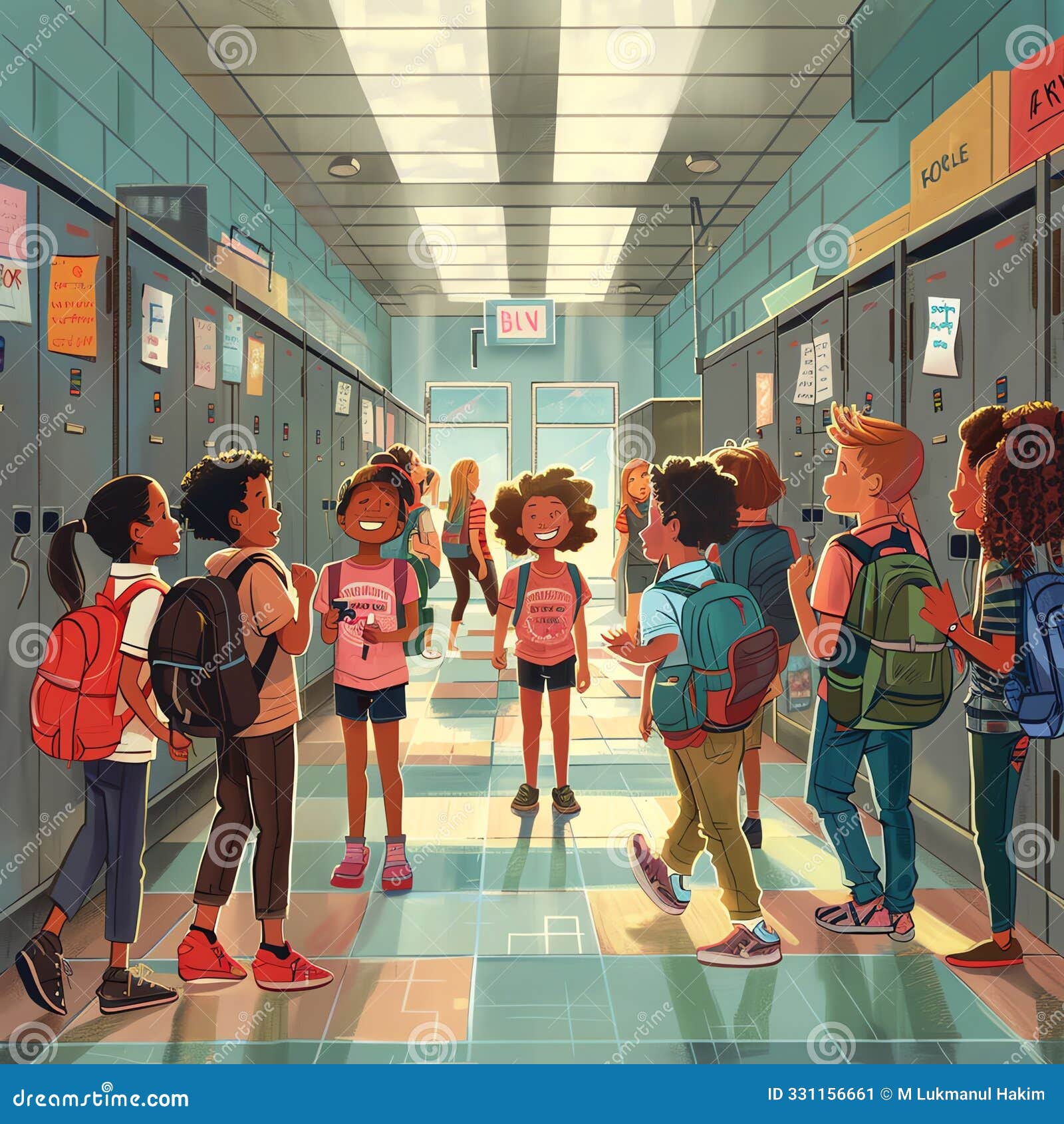
The 5 D’s of being an upstander
These five strategies come from violence-prevention research and are used by anti-bullying programmes worldwide. You don’t have to use all of them — pick the one that fits the situation.
1. Direct
Speak up in the moment. This works best when you feel safe, when there are other people around, and when the bullying isn’t physically dangerous. You don’t need a big speech. A short, calm statement is enough: ‘Hey, leave it.’ or ‘That’s not okay.’ or ‘Come on, let’s go.’ The aim isn’t to start an argument with the bully — it’s to break the dynamic and signal that not everyone is okay with what’s happening.
2. Distract
Change the subject or create a diversion. This is the safest option and works well when you don’t want a confrontation. You might ask the person being bullied a question (‘Hey, did you understand the homework?’), suggest doing something else (‘Let’s go get lunch’), or create a reason for them to leave (‘I think Mr Adeyemi was looking for you’). The aim is to interrupt the moment without making it about the bullying.
3. Delegate
Get help from someone with more authority. This is the right call when the bullying is physical, when it’s happening online and won’t stop, or when you’ve tried Direct or Distract and it didn’t work. Tell a teacher, a lunchtime supervisor, an older student, a coach, or any adult nearby. You don’t have to give your name — you can say ‘Something’s happening in the science corridor’ and walk away. The point is to get an adult there quickly.
4. Document
If it’s safe to do so, record what’s happening. This is especially useful for cyberbullying — screenshot the messages, posts, or comments with timestamps. For in-person bullying, write down what you saw afterwards: who, what, when, where. This evidence matters if the person being bullied wants to report it to school or police. Never film bullying to post it online — that re-victimises the person. Film only if you intend to share it with a trusted adult as evidence.
5. Delay
Check in with the person afterwards. This is the most underrated strategy. Even if you didn’t intervene in the moment (maybe you froze, or it was too risky), you can still make a massive difference by finding the person later and saying: ‘I saw what happened. Are you okay? Do you want to walk to form together?’ Bullying makes people feel invisible and alone. Being seen — by even one person — can change everything.
What if I’m scared of becoming the next target?
This is a real fear and it’s worth taking seriously. If the bully is physically intimidating, part of a group that’s known for targeting people, or if you’ve been bullied before, the Direct approach might not be safe. That’s okay. Distract, Delegate, and Delay are all powerful alternatives that don’t put you in the line of fire. Being an upstander doesn’t mean being reckless — it means doing something rather than nothing.
What if the person being bullied doesn’t want help?
Sometimes people will say ‘I’m fine’ or ‘Don’t say anything’ even when they’re clearly not okay. Respect their wishes in the moment, but check in privately later. You can say: ‘I won’t tell anyone if you don’t want me to, but I want you to know I saw it and I’m here.’ Then let them decide. If the bullying is serious (physical violence, threats, sexual harassment, hate-based), tell an adult even if they asked you not to — some things are too big to keep secret, and safeguarding always comes first.
Key takeaway
Being an upstander is a skill, not a personality. You’ll get better at it the more you practise. Start small — even one Delay check-in per week makes you the kind of person others can count on.